
The standard tree removal process involves a structured sequence of careful assessments, meticulous property preparation, precise branch cutting, and thorough debris cleanup to ensure complete property protection. Hiring a certified professional is critical because handling large, unstable structures presents significant hazards to untrained individuals. Industry experts prioritize advanced safety protocols, strict rigging practices, and specialized equipment to ensure safe control across every phase of the project.
Property owners looking for expert tree removal in Salt Lake, UT, benefit greatly from choosing an experienced team that understands not only proper techniques but also regional growth patterns and urban soil conditions, leading to safer, more effective tree removal outcomes.
When Is Tree Removal Necessary?
Recognizing the warning signs of a compromised tree can prevent severe property damage and ensure a safe outdoor environment.
Dead or Dying Trees: Dead trees rapidly lose their structural integrity, becoming brittle liabilities that can fail without warning. Removing these unstable structures early protects nearby buildings, vehicles, and pedestrians from unpredictable falling branches.
Storm-Damaged Trees: Severe weather systems frequently cause major structural fractures, split trunks, and severe root lifting. Immediate intervention stabilizes the area and eliminates the danger posed by hanging limbs or leaning trunks.
Diseased Trees: Advanced fungal infections and severe pest infestations can rot a tree from the inside out, leaving it hollowed and weak. Timely removal prevents the underlying pathogens from spreading healthy spores to neighboring foliage.
Trees Threatening Structures: Aggressive root systems often crack concrete foundations, lift walkways, and disrupt underground plumbing utilities. Additionally, heavy canopy limbs growing over roofs can cause extensive shingle damage during high winds.
By addressing these hazards promptly, property owners can proceed to the next critical step: understanding how the tree removal process unfolds on-site to ensure lasting landscape safety.
Steps in the Tree Removal Process
With these safety priorities in mind, managing a safe extraction requires a systematic progression through distinct technical phases to eliminate variables and protect the surrounding home.
Initial Inspection and Assessment
A comprehensive evaluation begins with an expert arborist analyzing the tree from the root flare to the upper canopy to identify structural risks, decay, and nearby hazards. The team selects the most efficient cutting strategy based on the tree’s physical condition and surrounding spatial constraints, dictating whether the project requires manual climbing or crane assistance.
Property Preparation
Ground crews position heavy-duty plywood sheets or specialized rubber mats over delicate lawns and ornamental shrubs to distribute weight evenly. The crew verifies the locations of overhead electrical cables and establishes a secure operational perimeter using safety cones to keep unauthorized individuals at a safe distance.
The Removal Operation
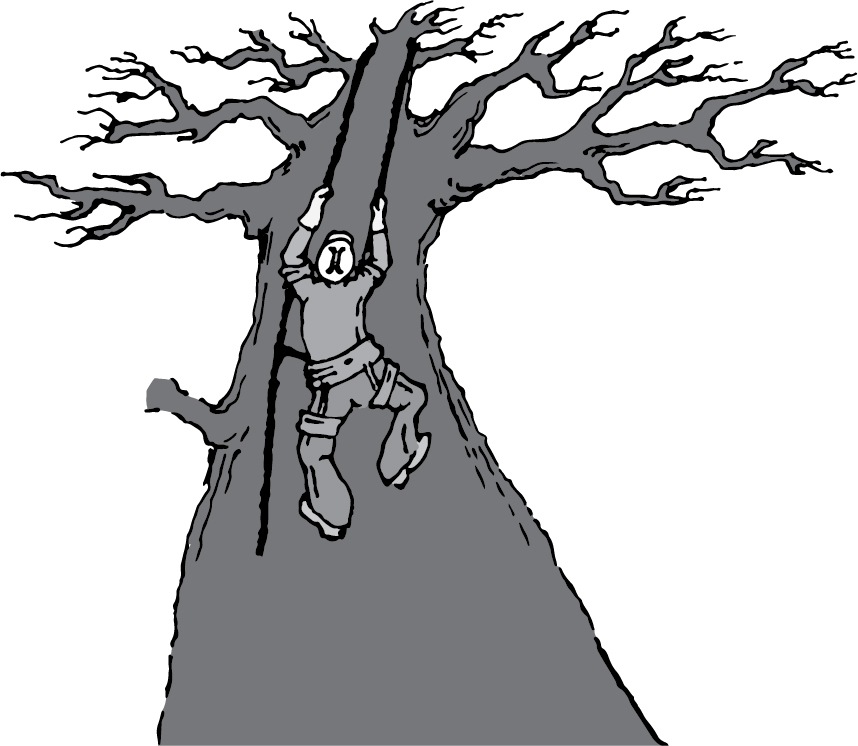
When space is limited, an experienced climber ascends the trunk to systematically remove limbs from the bottom up, lowering each section with heavy-duty friction brakes. For massive or compromised trees, a crane lifts entire multi-ton sections vertically out of tight spaces, eliminating the risk of ground impact by moving large pieces directly to the processing zone.
Debris Cleanup and Post-Removal
Ground teams gather severed branches to feed them into high-capacity industrial wood chippers while large trunk sections are loaded onto transport vehicles. Finally, a powerful motorized stump grinder shaves the remaining wood down several inches below the soil line, leaving a clean site ready for landscaping.
Standards and Quality Checks
Throughout each project phase, maintaining an accident-free environment requires a rigorous combination of regulatory compliance, advanced crew coordination, and the deployment of specialized equipment.
Operational Crew Execution
At High Climbers, our ground crew operates like a well-oiled machine. While our climbers are aloft, our skilled saw operators on the ground control the lowering ropes, keep bystanders entirely out of the danger zone, and instantly feed debris into our high-capacity chippers and loaders. Before the ascent, our crew performs a thorough safety inspection of the ground, the tree’s base and its stems. We scan for overhead hazards, such as power lines, and hidden canopy hazards, such as bee nests, to establish an accurate project framework.
Project Complexity Matrix
The operational strategy dynamically responds to unique environmental constraints on-site to maintain strict property protection.
| Risk Factor | Standard Scenario | Complex Scenario | Impact on Project Timeline |
|---|---|---|---|
| Tree Size | Under 15 feet | Over 60 feet (e.g., mature Oak) | Adds 2–4 hours for rigging |
| Tree Location | Open front yard landscape | Overhanging a roof or deck | Adds 3–6 hours for rope work |
| Access Challenges | Wide gate, drive-in backyard | Tight alleyway, manual hauling only | Doubles ground crew transport time |
| Weather Conditions | Clear skies, mild winds | Heavy downpours or high wind gusts | May cause temporary work stoppage |
Safety Measures and Industry Compliance
To further ensure safety, professional tree care companies strictly adhere to OSHA standards for professional tree care operations. Every on-site worker utilizes specific personal protective equipment (PPE), including chainsaw-resistant chaps, high-impact safety glasses, and steel-toe boots. Physical property protection measures, such as ground mats and rigging lines, ensure that heavy limbs slide smoothly away from delicate structures.
Conclusion
Proactive hazard management keeps residential properties beautiful, functional, and completely secure against the unpredictable elements of nature. By understanding what to expect throughout the tree removal process, homeowners are empowered to make informed decisions regarding their urban canopy health.
The experts at High Climbers use modern tools and strict safety steps for each job. Our team handles it all, from checking roots to cleaning up. Doing this right helps keep your yard safe and valuable for years to come.
FAQs
How long does tree removal take?
A standard tree removal project typically wraps up within two to six hours, depending on the size and overall structural complexity.
Do I need a permit to remove a tree in Salt Lake?
Local municipal guidelines permit the removal of trees on private property without a permit, unless the tree sits within a public easement.
What happens if the tree is near power lines?
Professional crews coordinate directly with local utility companies to implement specialized line-clearance practices, ensuring the entire area is safe before cutting.